
个人简介
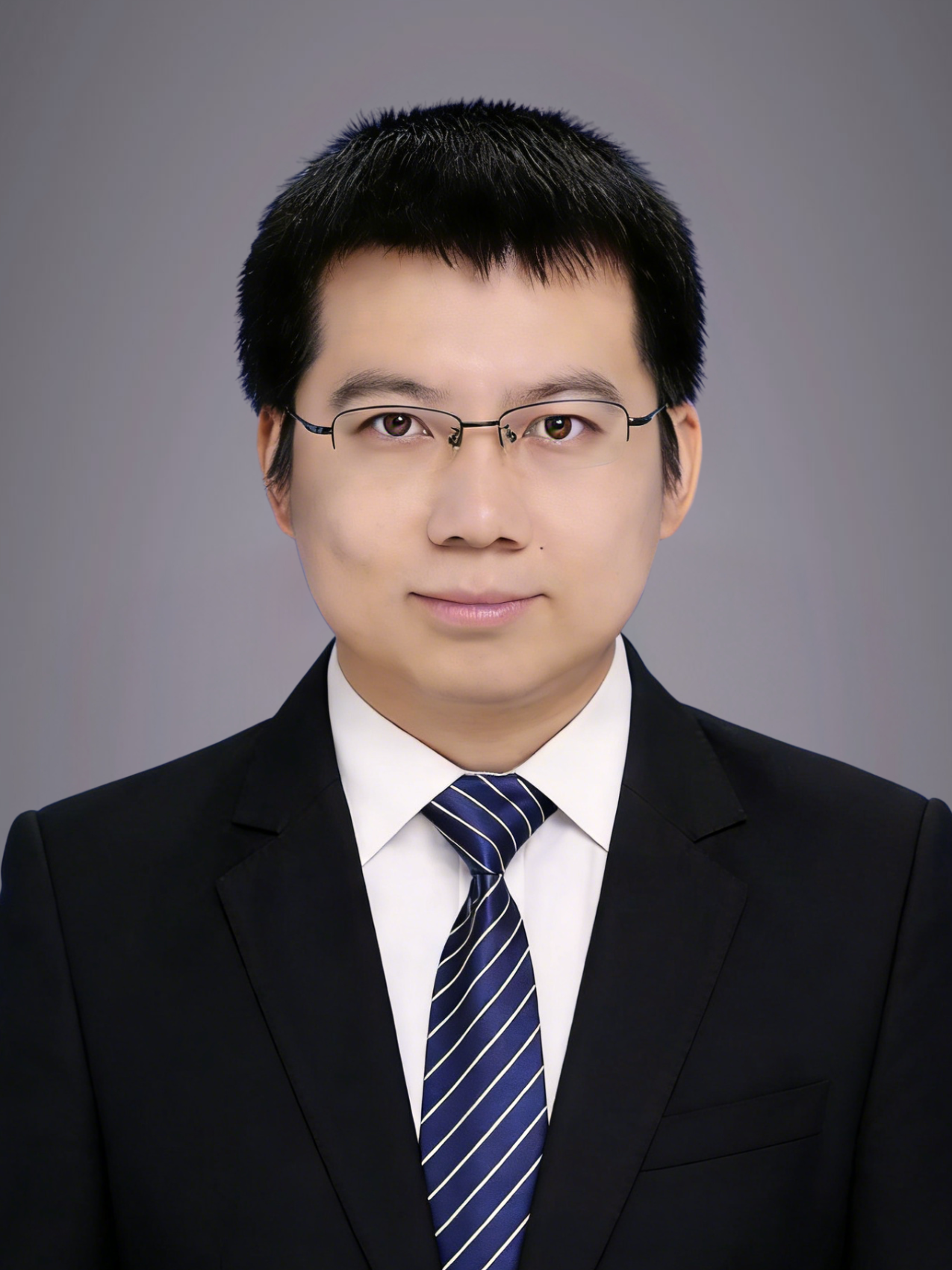
Dr. Ning Cheng is an Associate Investigator at the Institute of Brain Cognition and Brain Diseases (BCBDI), Shenzhen Institutes of Advanced Technology (SIAT), Chinese Academy of Sciences. He received his Bachelor's degree in Mathematics and Applied Mathematics from Nankai University in 2012, and his Ph.D. in Bioinformatics (specializing in Computational Neuroscience) from Nankai University in 2017. His research focuses on the neural mechanisms of spatial reference frame transformation in episodic memory and the coding principles of spatial and temporal information. He integrates in vivo calcium imaging with computational approaches to investigate neural coding principles and circuit mechanisms in key brain regions involved in spatial cognition, such as the retrosplenial cortex, hippocampus, and posterior parietal cortex.
研究领域
Neural mechanisms of spatial reference frame transformation and spatiotemporal coding in episodic memory.
代表论著
(1) Junyu Zhao#; Baishun An#; Ning Cheng#; Qiqi Dong; Cheng Wang*; Xiaojing Chen*; Gravity dependent choice of frame of reference in the posterior parietal cortex, Current Biology, 2025, 35(20): 4882-4897
(2) Xiaojing Chen; Ning Cheng; Cheng Wang; James J. Knierim; Impaired spatial coding of the hippocampus in a dentate gyrus hypoplasia mouse model, Proceedings of the National Academy of Sciences, 2025, 122(5)
(3) Ning Cheng#; Qiqi Dong#; Zhen Zhang#; Li Wang; Xiaojing Chen*; Cheng Wang*; Egocentric processing of items in spines, dendrites, and somas in the retrosplenial cortex, Neuron, 2024, 112(4)
(4) Shijie Chen#; Ning Cheng#; Xiaojing Chen*; Cheng Wang*; Integration and competition between space and time in the hippocampus, Neuron, 2024, 112(21): 3651-3664
(5) Lifeng Zheng#; Mei Yu#; Rui Lin; Yunxuan Wang; Zhan Zhuo; Ning Cheng; Mengzhen Wang; Yongqiang Tang; Liping Wang; Sheng-Tao Hou; Rhythmic light flicker rescues hippocampal low gamma and protects ischemic neurons by enhancing presynaptic plasticity, Nature Communications, 2020,11(1)
(6) Ning Cheng; Qun Li; Sitong Wang; Rubin Wang; Tao Zhang; Permutation mutual information: a novel approach for measuring neuronal phase-amplitude coupling, Brain Topography, 2018, 31(1)
科研\学术成果
Dr. Cheng has published 12 papers. He has successively received research projects supported by the National Natural Science Foundation of China (Young Scientists Fund Project, 2025-2027).